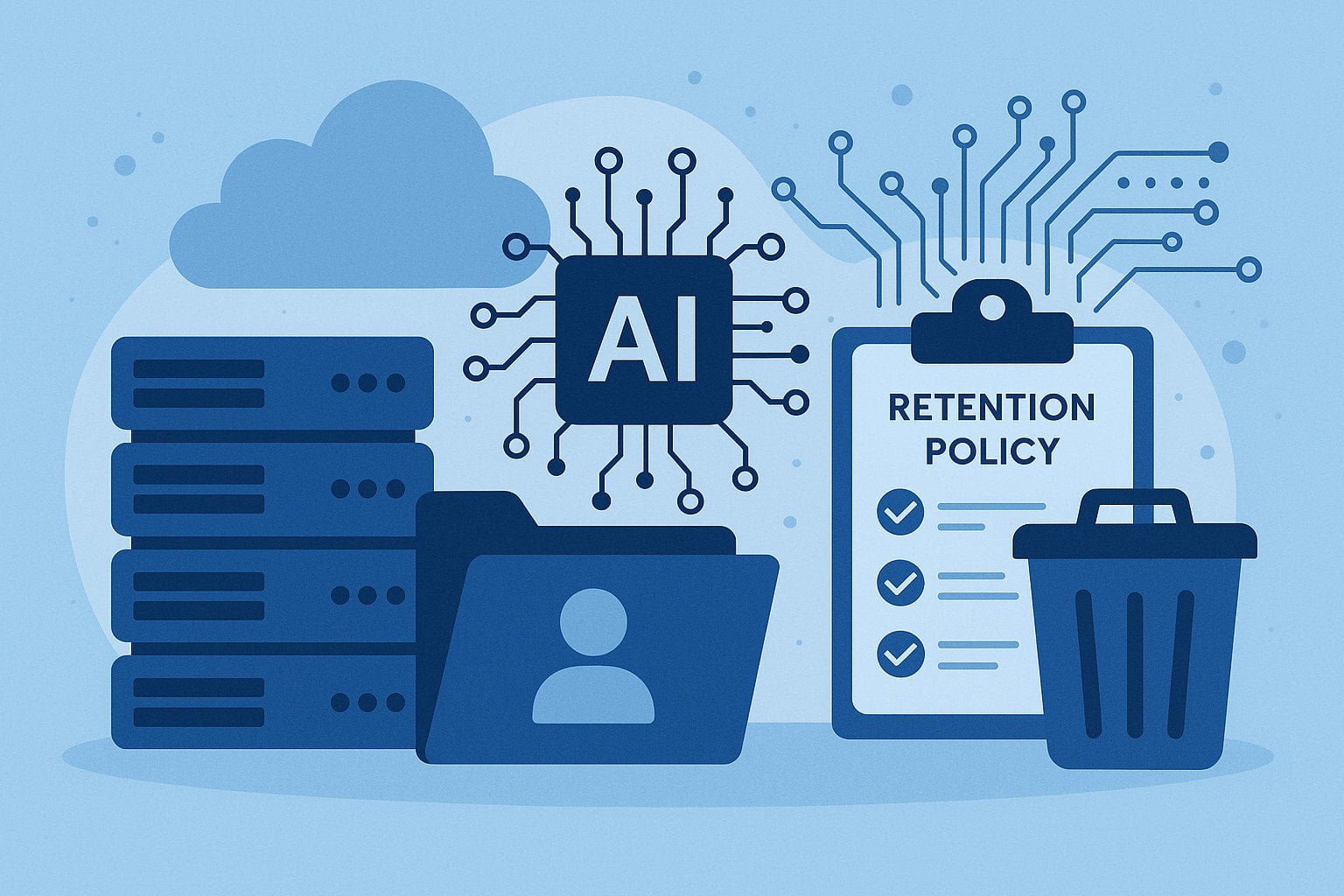
AI Agents & Enterprise AI
Over-Privileged AI Agents and the Rise of AI-Ready Databases
Enterprises are rapidly deploying AI agents to automate decisions, analyze data, and optimize operations. These systems act with a level of autonomy never seen in traditional software. While the benefits are real, a new and underestimated risk is emerging: over-privileged AI agents.
Unlike human users, AI agents do not question access, intent, or consequence. When granted excessive permissions, they can unintentionally expose sensitive data, violate compliance requirements, or trigger large-scale operational failures.
Understanding Over-Privileged AI Agents
An AI agent becomes over-privileged when it has access to data or systems beyond what is required for its assigned task. This often occurs because enterprise access models were designed for people—not autonomous, reasoning-based systems.
- Unrestricted read access across multiple databases
- Write permissions for critical operational tables
- Access to regulated data such as financial, customer, or HR records
- Limited visibility into how and why data is accessed
Why Over-Privileged AI Is More Dangerous Than Human Error
Human errors are usually localized and corrected through review processes. AI agents, however, operate at machine speed and scale. A single flawed reasoning step can propagate errors across multiple systems before intervention is possible.
This creates a new form of insider risk—one that is unintentional, automated, and difficult to detect using traditional security tools.
The Limits of Traditional Enterprise Databases
Most enterprise databases were built around static queries, predefined roles, and predictable access patterns. AI agents violate these assumptions by dynamically generating queries and exploring data paths based on context and reasoning.
Why is this AI agent accessing this data right now?
What Makes a Database AI-Ready?
AI-ready databases are designed to safely support autonomous systems by embedding governance, security, and intelligence directly into the data layer.
Key Capabilities of AI-Ready Databases
- Intent-aware and context-based access control
- Fine-grained row-level and column-level security
- Built-in auditability for AI-driven data access
- Query-level validation and safety guardrails
- Native support for vector embeddings and semantic search
AI Agents as First-Class Enterprise Identities
The future of enterprise AI depends on treating AI agents as first-class identities with clearly defined responsibilities, permissions, and accountability. This requires moving governance closer to the data, not layering it on after problems occur.
Conclusion
AI agents do not simply consume data—they act on it. Enterprises that continue to rely on legacy data systems risk losing control as AI adoption scales. Investing in AI-ready databases and principled access models is no longer optional; it is foundational to trustworthy enterprise AI.
If your database cannot govern intent, your AI will eventually exceed trust.